
A Neighborhood with More Than One Name
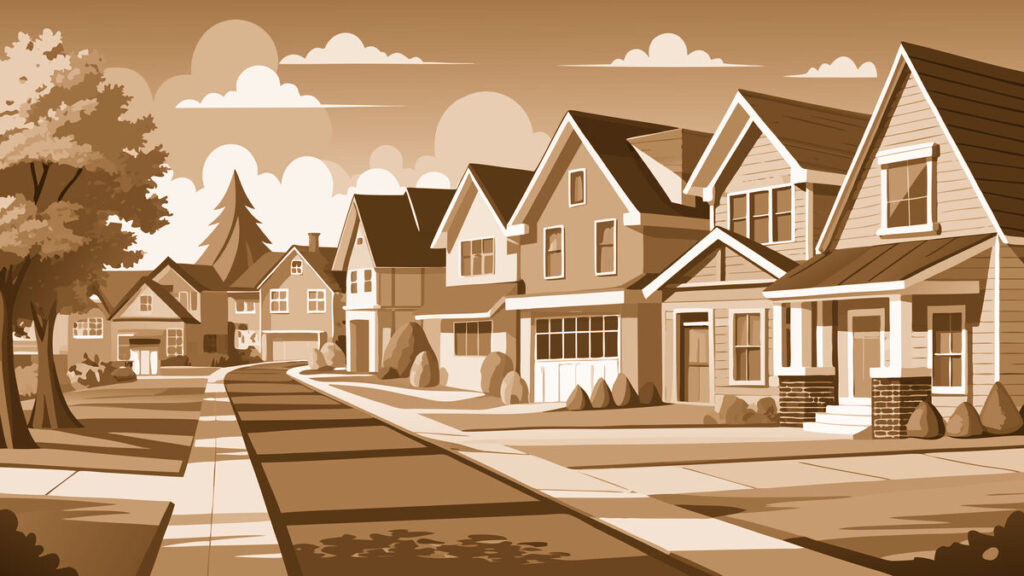
For many longtime residents, “Westlake Estates” brings to mind a quiet pocket of Westlake shaded by mature trees and shaped by large, private homes. Today, the Town of Westlake identifies this community as Wyck Hill, formerly the Estates of Westlake. Tucked near the southeast corner of Dove Road and Pearson Road, the neighborhood is known for its narrow, tree-lined streets and heavily wooded one-acre lots. ([westlake-tx.org](https://westlake-tx.org/86/Residential-Subdivisions?utm_source=openai))
That change in name is part of the neighborhood’s story. Like much of Westlake, the area has evolved from open ranchland into an upscale residential community while retaining a strong sense of place. The name “Estates of Westlake” reflected the neighborhood’s spacious lots and country-estate character. Over time, the community became known as Wyck Hill, a name that suits its rolling terrain, mature landscaping, and secluded setting.
Although the neighborhood’s homes are relatively modern compared with Westlake’s earliest structures, Westlake Estates sits within a landscape shaped by generations of Texas history.
From Cross Timbers to Country Estates
Long before Dove Road and Pearson Road became residential streets, this part of North Texas was part of the Cross Timbers region. Dense belts of post oak and blackjack oak once formed a natural boundary across the prairie, creating a landscape that was both challenging to cross and rich in wildlife.
The first recorded settlers in the Westlake area were Charles and Matilda Medlin, who arrived in 1847 with approximately twenty other families. They initially settled near Denton Creek but moved to higher ground after severe flooding. Their experience helped shape the early character of the area: residents learned to respect the creeks, wooded ridges, and changing terrain that still define Westlake today. ([westlaketx.gov](https://westlaketx.gov/85/History-of-Westlake?utm_source=openai))
The Medlin family’s three-story barn was once one of Westlake’s best-known landmarks. Although the structure had to be removed for safety reasons in 1997, local accounts placed its age at roughly 130 years. Stories connected the barn with legendary Texas figures, including Sam Bass and Bonnie and Clyde. Whether every detail can be proven or not, such stories remain part of the oral history that gives Westlake its frontier flavor. ([westlaketx.gov](https://westlaketx.gov/85/History-of-Westlake?utm_source=openai))
How Westlake Got Its Name
The modern Town of Westlake began taking shape in the 1950s. In 1956, Dallas attorney Glen Turner purchased approximately 2,000 acres along State Highway 114 and established Circle T Ranch. As ranchers and homeowners in the surrounding area organized themselves, they adopted the name Westlake. At the time, the community included land north toward Denton Creek that would later become part of Trophy Club. ([westlaketx.gov](https://westlaketx.gov/85/History-of-Westlake?utm_source=openai))
The name was practical and geographic, referring to the community’s location near Grapevine Lake. Yet it also became an identity. Westlake suggested a rural place west of the lake and west of the growing urban centers of Dallas and Fort Worth. That identity has remained remarkably durable, even as highways, corporate campuses, schools, and luxury neighborhoods arrived.
Westlake Estates emerged during the period when large ranch parcels were being divided into residential communities. Instead of tight suburban blocks, the neighborhood was planned around generous lots, mature vegetation, and a quieter pace. The design allowed residents to enjoy privacy while remaining close to State Highway 114, Solana, and the broader Dallas–Fort Worth area.
Growth in the 1970s and Beyond
Westlake’s development accelerated in the 1970s. Houston developers Johnson and Loggins, along with professional golfer Ben Hogan, explored plans for a golf course, country club, and housing development. Although the community’s residents had differing opinions about the proposal, the decade marked a turning point as Westlake began transitioning from a rural settlement into a collection of distinctive residential neighborhoods. ([westlaketx.gov](https://westlaketx.gov/85/History-of-Westlake?utm_source=openai))
The surrounding ranch history also influenced the area’s image. Circle T Ranch became associated with Nelson Bunker Hunt after he purchased it in the mid-1970s. The ranch was known for elaborate gatherings and international attention before later being purchased by Ross Perot Jr. in 1993. While Westlake Estates was never simply an extension of the ranch, its spacious homes and open, landscaped setting reflect that same tradition of land, privacy, and prestige. ([westlaketx.gov](https://westlaketx.gov/85/History-of-Westlake?utm_source=openai))
In the mid-1980s, IBM helped establish Solana, the prominent mixed-use office complex along State Highway 114. Solana brought a major employment center to Westlake and reinforced the community’s connection to the Metroplex. For residents of Westlake Estates, this meant that a neighborhood could feel rural while sitting only minutes from corporate offices, restaurants, cultural destinations, and regional transportation routes. ([westlaketx.gov](https://westlaketx.gov/85/History-of-Westlake?utm_source=openai))
Streets and Landmarks That Tell the Story
The character of Westlake Estates is easiest to appreciate on foot or during a slow drive along its wooded streets. The neighborhood’s narrow roads and mature trees create a feeling of separation from the busier roads nearby. Dove Road serves as an important local corridor, while Pearson Road helps define the neighborhood’s location and connection to the surrounding community.
Nearby J.T. Ottinger Road is another historically significant route. It is associated with Westlake Academy and several local historical markers, including the marker for the Mahotea Boone area. Mahotea Boone, one of Westlake’s oldest subdivisions, was developed in the early 1970s and preserves the area’s tradition of large lots and older homes. Its historical marker was dedicated in 2017. ([westlaketx.gov](https://westlaketx.gov/m/NewsFlash/Home/Detail/828?utm_source=openai))
Westlake Academy is more than an educational institution; it is also part of the town’s modern civic identity. The campus serves as a gathering point and a visible reminder that Westlake has invested in creating institutions that reflect its distinctive character. Around it, roads, trails, preserved open spaces, and neighborhood landscaping help blend community life with the natural setting.
What Has Stayed the Same
Westlake Estates has changed in appearance over the decades as homes have been built, renovated, and, in some cases, replaced. Yet the neighborhood’s essential qualities have remained steady.
- Large lots still provide a sense of breathing room.
- Mature trees continue to define the streetscape.
- The surrounding hills and open spaces preserve a rural atmosphere.
- Its location offers convenient access to State Highway 114 and Solana.
- Nearby schools, parks, trails, and civic spaces connect residents to the larger Westlake community.
That balance is what makes the neighborhood special. Westlake Estates is not a preserved historic district in the traditional sense, but it is part of a historic landscape. Its heritage is visible in the oak trees, the old roads, the nearby markers, and the stories passed from one generation to the next.
A Living Chapter of Westlake History
The history of Westlake Estates is ultimately a story of continuity. Native landscapes became ranchland; ranchland became carefully planned neighborhoods; and those neighborhoods grew into one of North Texas’s most distinctive communities.
Today, a drive through Wyck Hill—once called the Estates of Westlake—still offers a glimpse of the older Westlake: quiet roads, wooded hillsides, and homes set comfortably into the land. That sense of privacy is not an accident. It is the result of decades of choices that valued spacious lots, natural beauty, and a connection to the community’s past.
For longtime residents, that is what makes Westlake Estates feel like home. It offers modern comfort without losing the atmosphere of the old countryside—and every shaded street carries a small piece of Westlake’s larger Texas story.